
What Can You Expect at Industry’s Premium Spatial Biology and Digital Pathology Event
Spatial omics and computational pathology now sit at the core of understanding tissue architecture, uncovering new biomarkers, and empowering clinicians with faster, more confident decisions across oncology, neuroscience, autoimmune conditions, and beyond.
The now cancelled 4th AI-Enabled Spatial Biology & Digital Pathology Summit is dedicated to helping you effectively embed spatial omics and computational pathology into therapeutic pipelines through the selection of appropriate technologies and workflows.
This meeting was your roadmap for unlocking deeper insights with these exciting technologies, including:
- AI-powered omics data analysis
- Training algorithms for accurate cell segmentation
- Illuminating the tumor microenvironment with spatial transcriptomics
- Navigating the regulatory hurdles of brining digital pathology to the clinic
The previous program was built with experts who are already applying spatial biology and digital pathology across oncology, immunology and neuroscience, equipping you with the tools and techniques to transform your own pipelines.
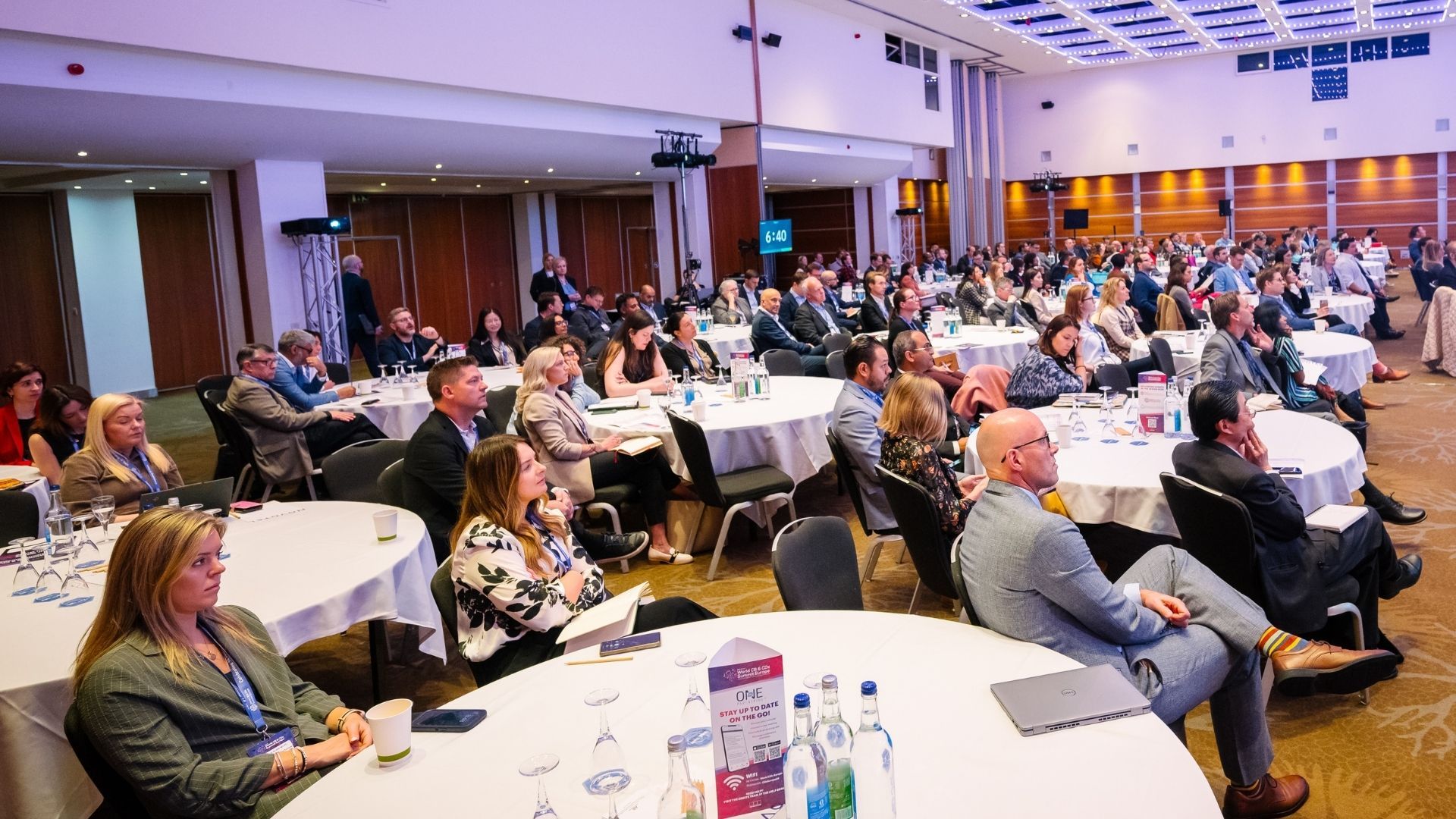
Unmissable Event Highlights
Drug Development Breakthroughs Powered by Spatial Omics and Digital Pathology
Biopharma leaders are sharing their data on drug development breakthroughs made possible with spatial biology and digital pathology in the following areas:
• Target discovery
• Tumor microenvironment analysis
• Biomarker development and patient selection
Don’t miss case studies from Gilead, Arcus Biosciences and Cedars-Sinai.
Learn How To Drive Translation and Bring Spatial Omics & Computational Pathology Into the Clinic
Connect with fellow translational experts to bridge the gap between computational and clinical teams, navigating regulatory hurdles to apply spatial and digital insights to clinical development.
Lessons from GSK, AnaptysBio and Amgen.
Adopt AI & ML Capabilities Across Workflows to Streamline Large-Scale Data Analysis
Evaluate innovative technologies and select appropriate AI models for your research aims, unlocking predictive insights, overcoming for variation in imaging methods and optimizing large-scale omics data analysis.
Insights from California Institute of Technology, Amgen & Sanford Burnham Prebys.
Successfully Implement Spatial Biology & Digital Pathology Workflows Across Your Therapeutic Pipelines
Strategize which projects to priorities, which workflows to select and how to adopt evolving technologies into your pipeline to maximize time and cost-effectiveness.
Case studies from Pfizer, BridgeBio and BioMarin.
Explore the Full Event Guide
- 18+ World Class Speakers from Biopharma and Academia
- 7+ Hours of Meaningful Networking Time
- Integrated Focus on Both Spatial Omics and Computational Pathology
- End-to-End Case Studies of Effectively Implementing Workflows

Previous Attending Companies Include








Partner With Us
Hear the latest breakthroughs in cell segmentation, digital pathology-powered biomarker discovery, spatial omics-enabled target discovery and AI-based large scale data analysis.

Join Biopharma Experts
Be part of cutting-edge discussions on implementing appropriate spatial biology and digital pathology workflows, whether you’re working in translational science, bioinformatics, biomarkers or image analysis.